The Ultralight OLED Laptop Brawl
Tale of the Tape
The Breakdown
Display
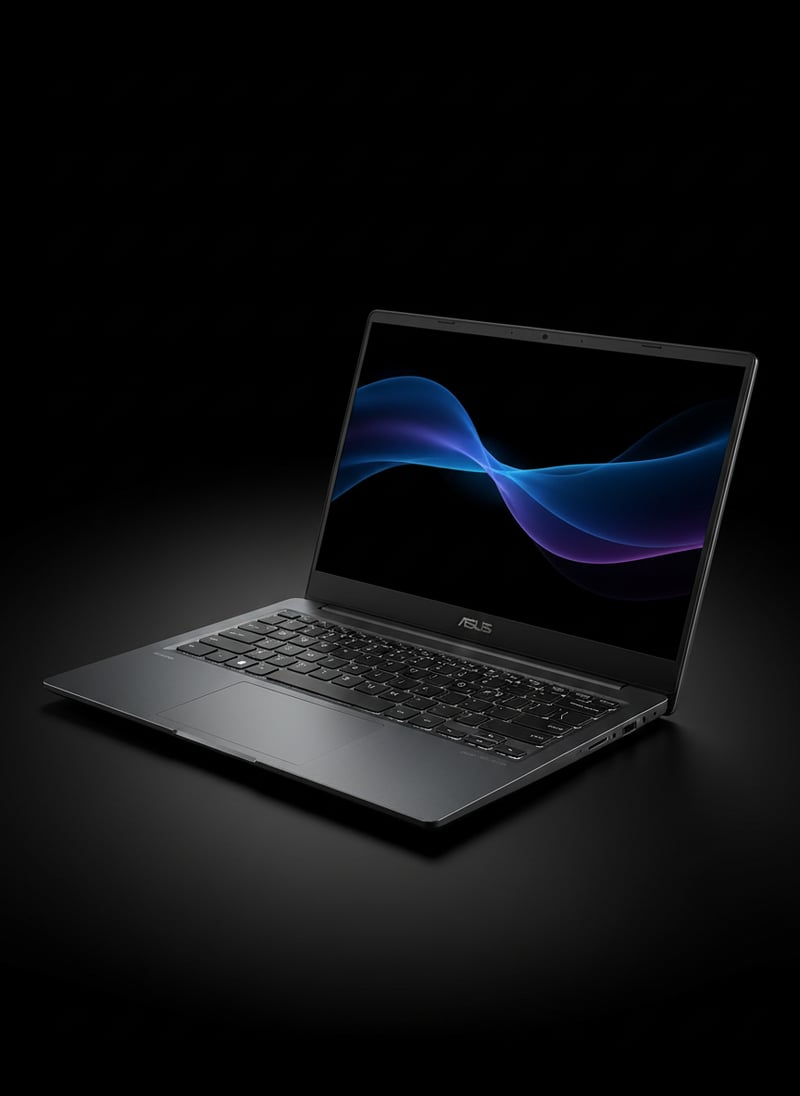
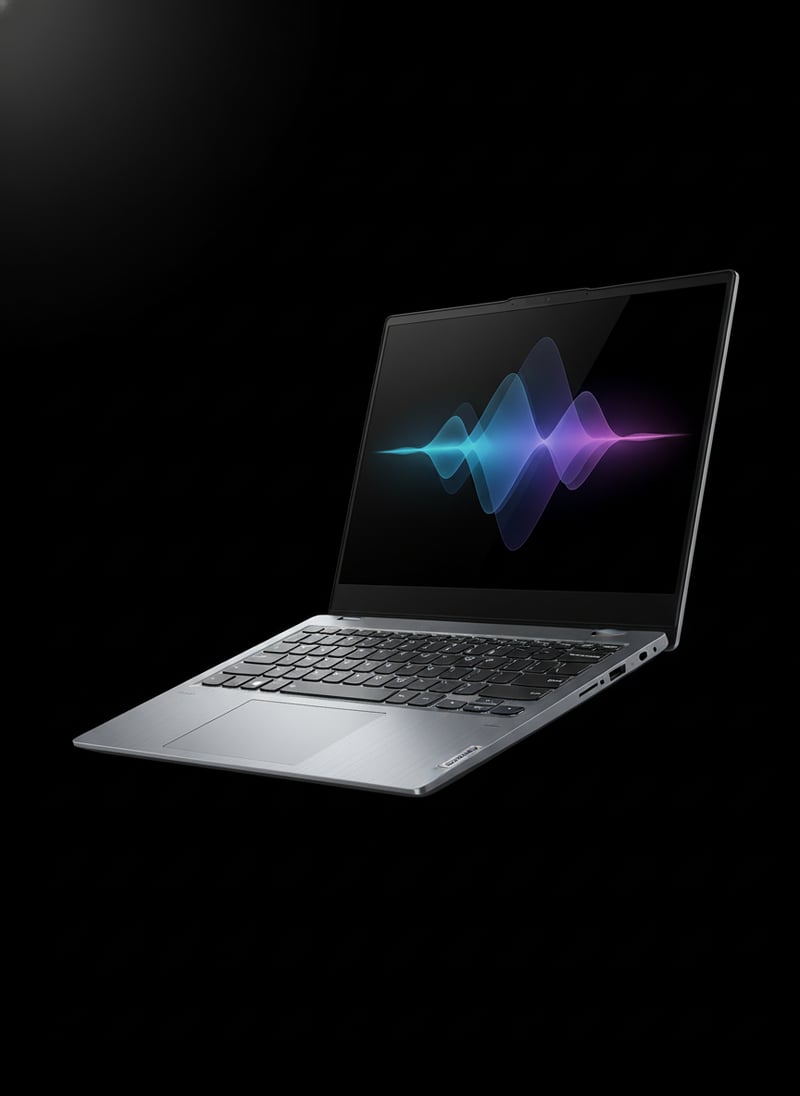
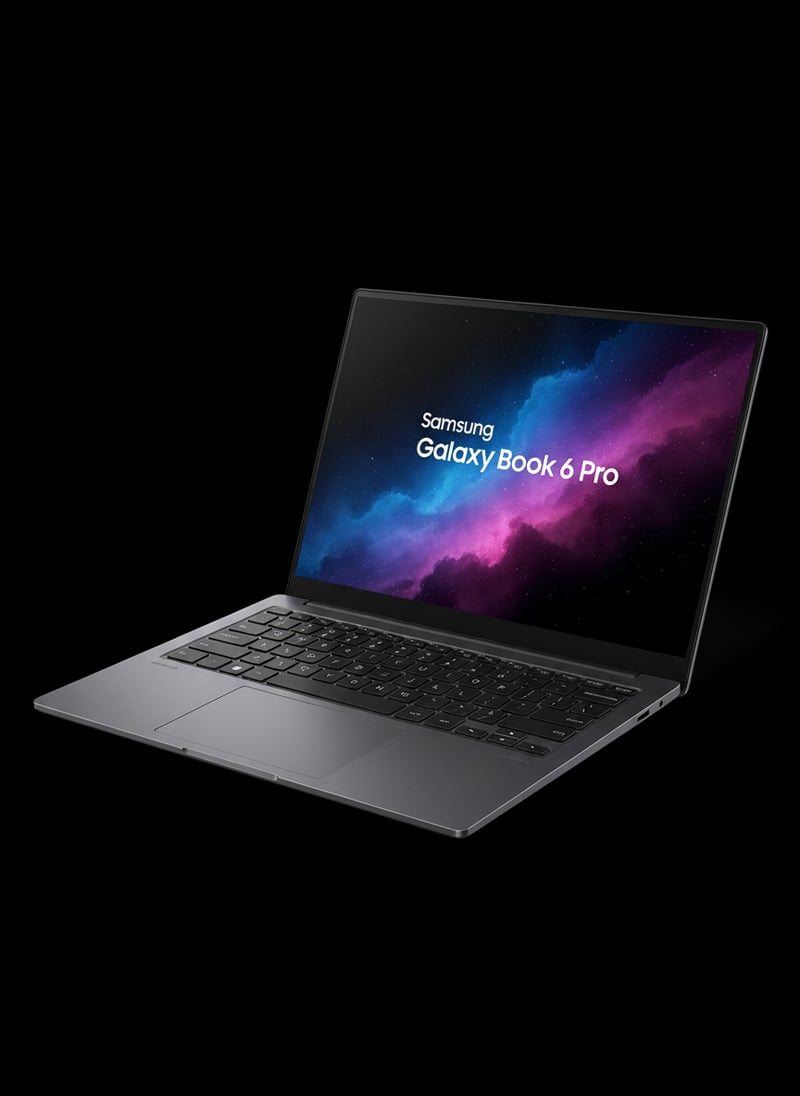
The Lenovo Yoga Slim 7i Ultra is the display champion. Its 14-inch 2.8K OLED panel hits 120Hz with 1,100 nits HDR peak brightness and perfect DCI-P3 coverage — it is a creator's dream panel. The Samsung Galaxy Book 6 Pro matches with a 3K 120Hz AMOLED, though peak brightness is lower. The Zenbook A14 keeps an FHD+ OLED at just 60Hz — fine for productivity, but outclassed for creative work.
Performance
Panther Lake gives Lenovo and Samsung a raw performance edge. Intel's Core Ultra 7 355/356H delivers stronger multi-threaded performance and better x86 app compatibility than Snapdragon X2 Elite. The Samsung even managed 55-65 fps in Cyberpunk 2077 on integrated graphics. The Zenbook A14's Snapdragon is efficient but still faces occasional ARM compatibility issues.
Battery Life
The ASUS Zenbook A14 obliterates the competition. ASUS claims 28+ hours of video playback and up to 33 hours overall — Snapdragon's ARM efficiency advantage is real and massive. The Lenovo gets solid battery life with its 75 Wh cell, but Intel Panther Lake cannot match ARM efficiency. The Samsung has the smallest battery at 67.18 Wh and the heaviest chassis.
Portability
The Zenbook A14 and Yoga Slim 7i Ultra are practically tied — 990g vs 975g. Both are sub-kilogram ultraportables that vanish in a backpack. The Samsung Galaxy Book 6 Pro is significantly heavier at 1.24 kg and thicker. In this fight, grams matter — and both ASUS and Lenovo nail the ultralight brief.
Build Quality
ASUS uses Ceraluminum — a ceramic-aluminum hybrid that's MIL-STD 810H rated. Lenovo opts for magnesium alloy with a Force Pad haptic touchpad. Both feel premium. Samsung's build is solid but less distinctive — aluminum with a sleek finish but no standout material innovation.
Value
The ASUS Zenbook A14 starts at $899 — less than half the Lenovo's $1,630. You get an OLED display, sub-1kg weight, insane battery life, and Snapdragon X2 Elite performance for under a thousand dollars. The Lenovo and Samsung are both $1,600+ and need to justify that premium with their superior displays and Intel chips.
The Verdict
ASUS Zenbook A14 (2026)
The ASUS Zenbook A14 delivers 90% of the premium ultrabook experience at half the price.
The ASUS Zenbook A14 wins because it answers the question most laptop buyers actually ask: can I get a great OLED ultrabook without spending $1,600? The answer is yes — emphatically. At $899, you get a sub-kilogram Ceraluminum chassis, a Snapdragon X2 Elite chip with 80 TOPS NPU, and battery life that makes Intel laptops look like they're running on fumes. 28+ hours of video playback is not a typo.\n\nThe Lenovo Yoga Slim 7i Ultra has a objectively better display — 2.8K at 120Hz vs FHD+ at 60Hz. If you're a creative professional who needs every pixel, the Lenovo is the pick. But for the vast majority of users who want an incredibly light, incredibly long-lasting OLED laptop for work and daily use, the Zenbook A14 at $899 is the most compelling value in ultrabooks.
Quick Specs
| Spec | ASUS Zenbook A14 (2026) | Lenovo Yoga Slim 7i Ultra Aura Edition | Samsung Galaxy Book 6 Pro (14") |
|---|---|---|---|
| Processor | Snapdragon X2 Elite (18-core) | Intel Core Ultra 7 355 (Panther Lake) | Intel Core Ultra 7 356H (Panther Lake) |
| Display | 14" FHD+ OLED, 60Hz | 14" 2.8K OLED, 120Hz | 14" 3K AMOLED, 120Hz |
| RAM | Up to 32GB LPDDR5X | 32GB LPDDR5X | Up to 32GB LPDDR5X |
| Storage | Up to 1TB SSD | Up to 2TB SSD | Up to 1TB SSD |
| Battery | 70 Wh (28+ hrs video) | 75 Wh | 67.18 Wh |
| Weight | 990g (2.18 lbs) | 975g (2.15 lbs) | 1.24 kg (2.73 lbs) |