The APS-C Mirrorless Camera Melee
Tale of the Tape
The Breakdown
Image Quality
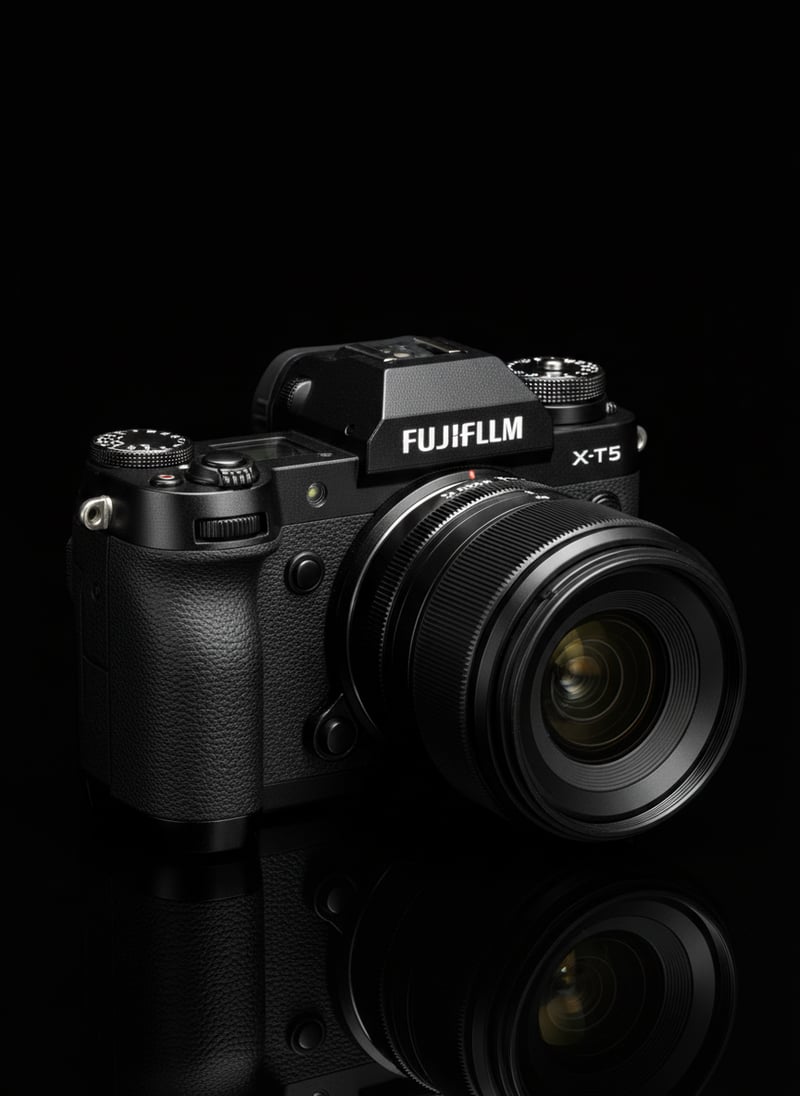
The Fujifilm X-T5 has the highest resolution APS-C sensor at 40.2MP — it resolves detail that the 26MP Sony and 24.2MP Canon simply cannot match. For landscape photography, studio portraits, and large prints, the X-T5 is in a different class. Add Fujifilm's legendary film simulations and you get images that need minimal post-processing.
Autofocus
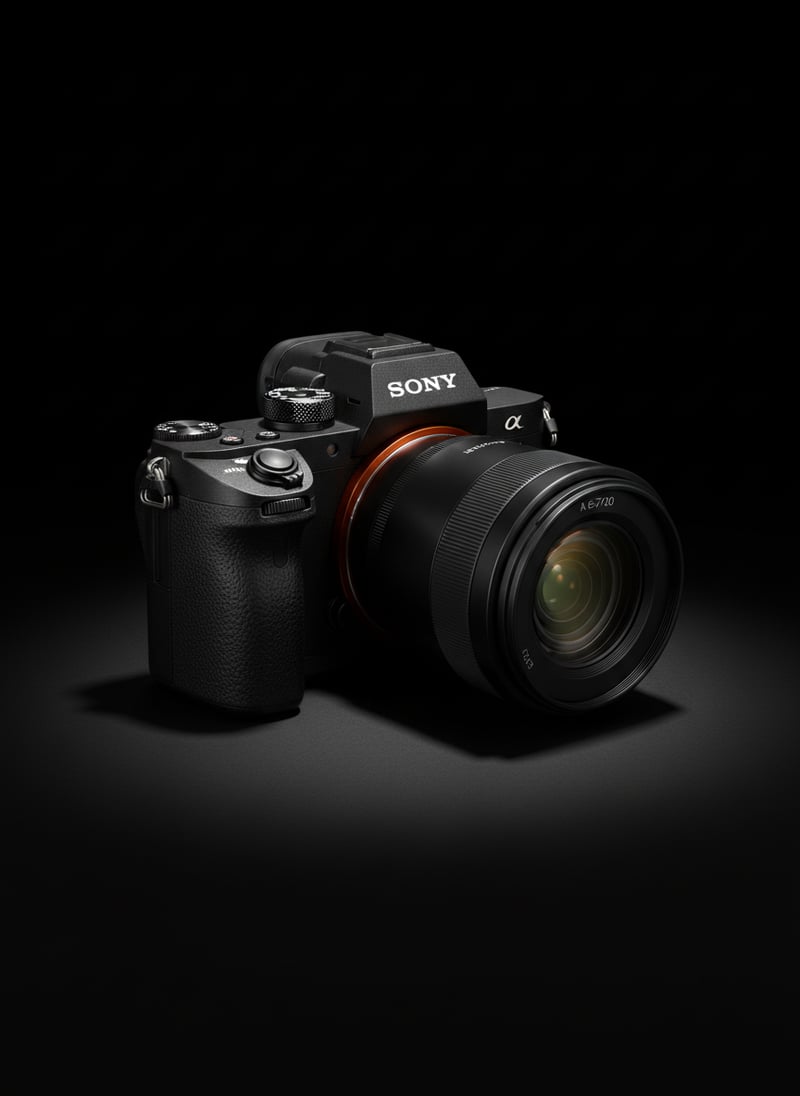
Sony's A6700 has the best autofocus system in APS-C. The 759-point PDAF with real-time AI subject tracking locks on eyes, animals, birds, vehicles, and insects with terrifying speed. Canon's Dual Pixel CMOS AF II is excellent for people and animals. Fujifilm's AF is good but slower in continuous tracking — it is the weakest link of the three.
Video
The Sony A6700 is the hybrid video king — 4K at 120fps in 10-bit 4:2:2 is unmatched in this class. It is a legitimate B-camera for professional productions. Canon's 4K/60p is heavily cropped and limited to 8-bit. The X-T5 shoots 6.2K/30p which is great for downsampled 4K, but the A6700's slow-motion capabilities are unmatched.
Build & IBIS
The Fujifilm X-T5 has the best build — weather-sealed magnesium alloy with classic analog dials that photographers love. Its 5-axis IBIS provides up to 7 stops of stabilization. Sony has IBIS but only 5 stops. Canon has NO in-body stabilization — a serious omission at any price in 2026.
Lens Ecosystem
Canon's RF mount ecosystem is the largest and most versatile — from budget RF-S lenses to professional L-series glass. Sony's E-mount has decades of lenses from Sony and third parties. Fujifilm's X-mount has excellent native glass but fewer third-party options and generally higher prices.
Value
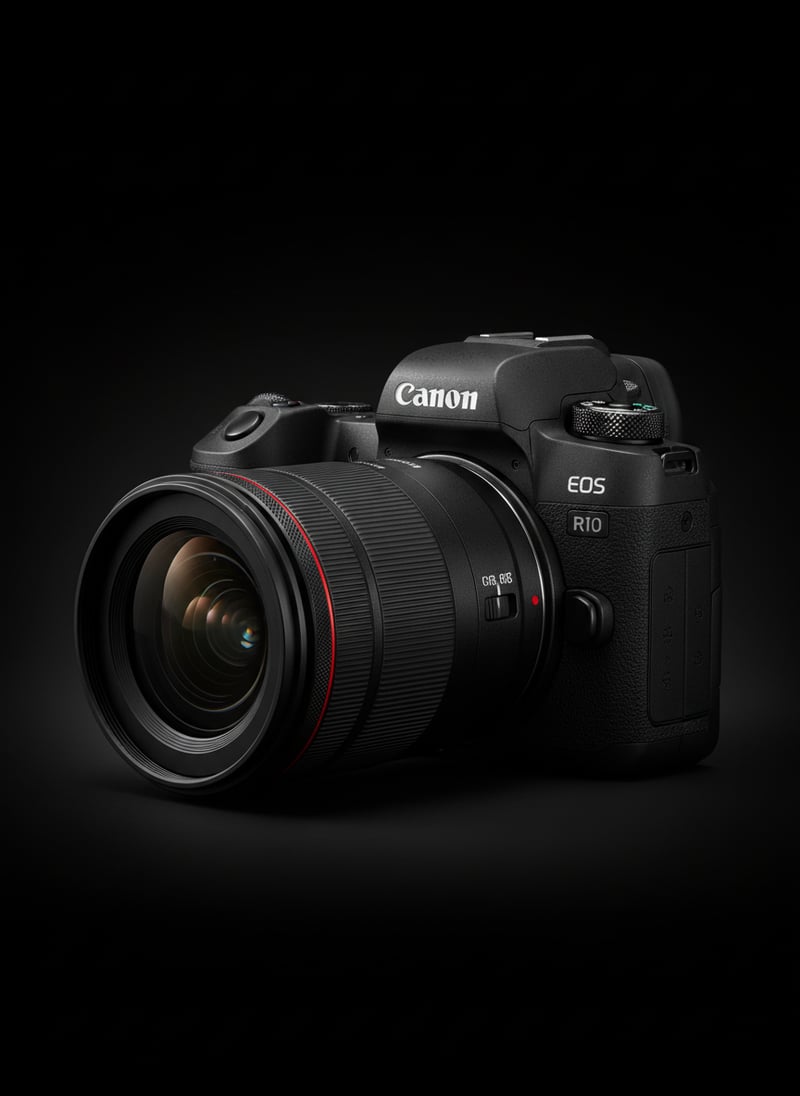
The Canon EOS R10 at $979 is the gateway drug to mirrorless. You get flagship-class autofocus, 23fps burst shooting, and access to the largest lens ecosystem — all for $420 less than the Sony and $720 less than the Fujifilm. For beginners and hobbyists, no camera offers more for less.
The Verdict
Sony A6700
The Sony A6700 is the best all-around APS-C camera — it does everything well and video better than anyone.
The Sony A6700 wins because it is the most capable hybrid camera in APS-C. If you shoot both photos and video — and in 2026, most camera buyers do — nothing else in this price range offers 4K/120p in 10-bit 4:2:2, class-leading autofocus with AI subject recognition, and 5-axis IBIS in a 493g body. The Fujifilm X-T5 takes better still photos — 40.2MP versus 26MP is a real advantage for detail-obsessed photographers, and those film simulations are genuinely special. But the A6700 does everything else better: faster autofocus, superior video specs, lighter weight, and a broader lens ecosystem through third parties. It is the Swiss Army knife of APS-C cameras, and for most creators, that versatility beats specialization.
Quick Specs
| Spec | Fujifilm X-T5 | Sony A6700 | Canon EOS R10 |
|---|---|---|---|
| Sensor | 40.2MP APS-C X-Trans CMOS 5 HR | 26MP APS-C Exmor R BSI CMOS | 24.2MP APS-C CMOS |
| Processor | X-Processor 5 | BIONZ XR | DIGIC X |
| IBIS | 5-axis, up to 7 stops | 5-axis, up to 5 stops | None (lens-based IS only) |
| Video | 6.2K/30p, 4K/60p | 4K/120p, 10-bit 4:2:2 | 4K/60p (cropped), 4K/30p (uncropped) |
| Burst Rate | 15 fps (mechanical), 20 fps (e-shutter) | 11 fps (continuous AF) | 15 fps (mechanical), 23 fps (e-shutter) |
| Weight | 557g (body only) | 493g (body only) | 429g (body only) |
| Viewfinder | 3.69M dot OLED EVF | 2.36M dot OLED EVF | 2.36M dot OLED EVF |