The OLED TV Flagship War
Tale of the Tape
The Breakdown
Picture
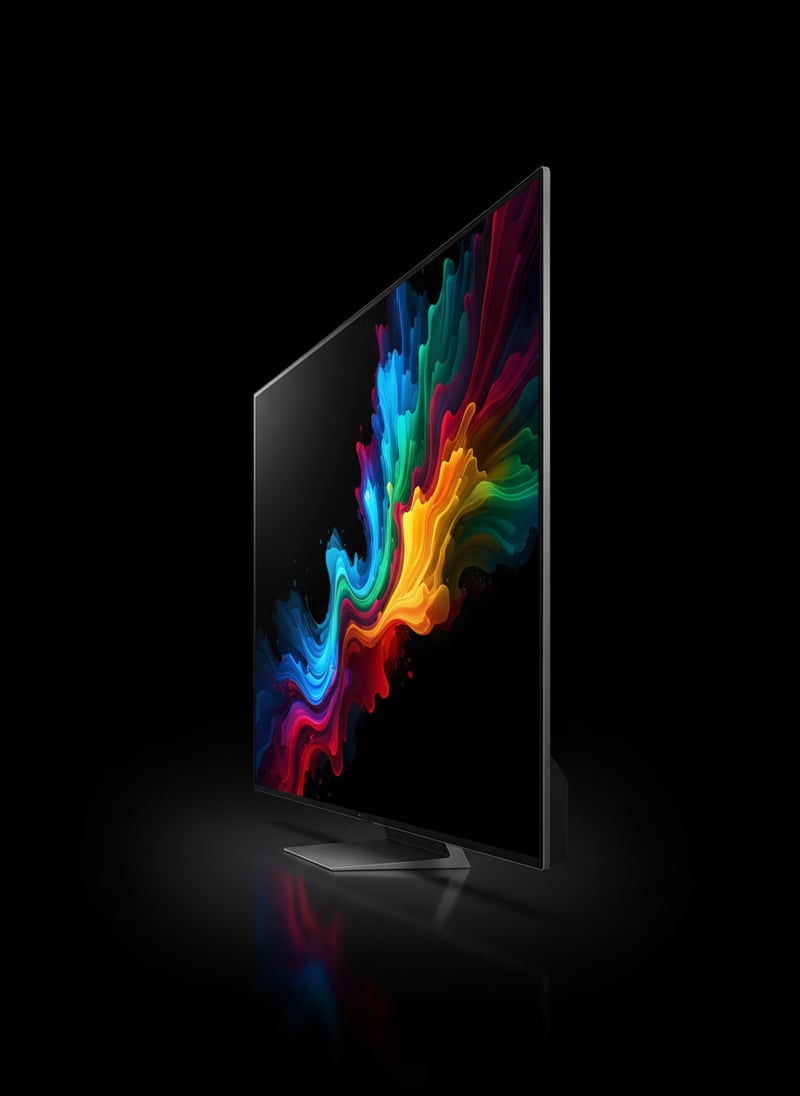
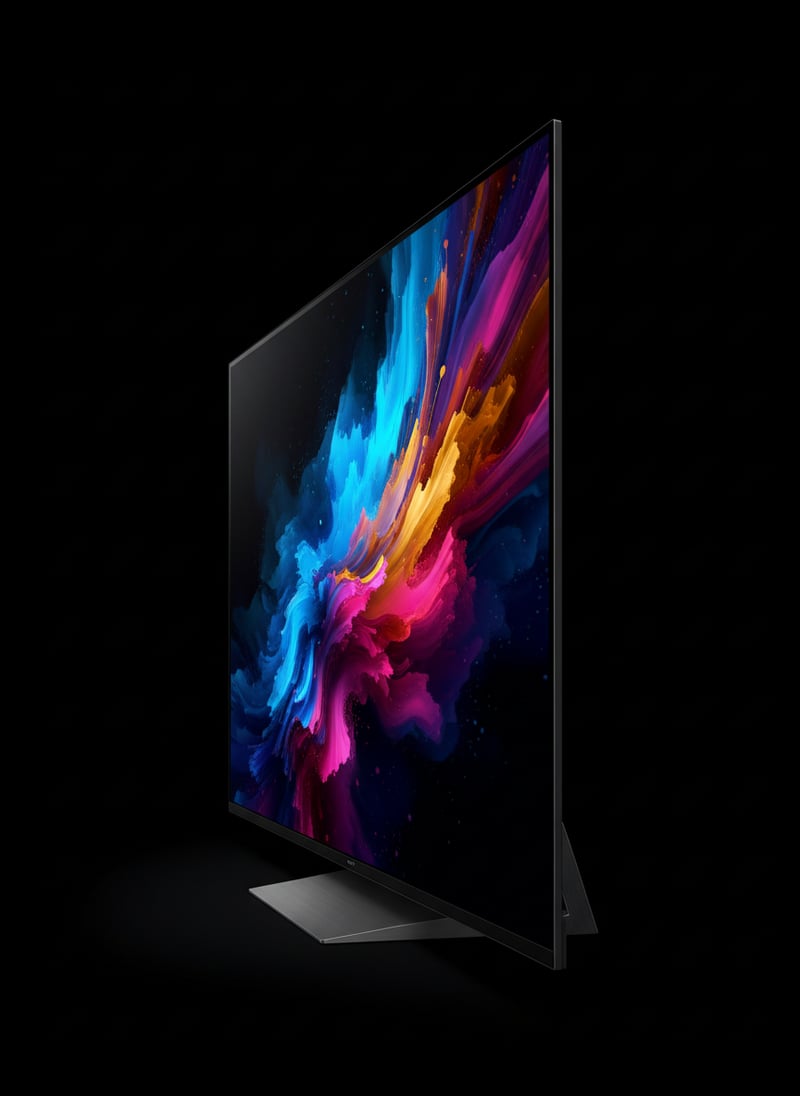
Samsung's third-gen QD-OLED delivers the most vibrant colors—reds and blues practically leap off the screen thanks to quantum dot enhancement. Sony's processing is unmatched for upscaling and motion handling, making even compressed content look pristine. LG's MLA+ panel is stunning but feels slightly less refined than the newer QD-OLED tech.
Brightness
Sony leads with 3,100 nits in small windows—HDR highlights have incredible punch and specular detail pops like never before. Samsung's 3,000 nits is nearly as bright with better full-screen brightness consistency. LG at 2,800 nits is still excellent but noticeably dimmer in daylight viewing.
Gaming
LG dominates gaming with four full-bandwidth HDMI 2.1 ports, 144Hz support, and the lowest input latency we've measured on an OLED. Samsung matches the 144Hz and adds FreeSync Premium Pro for tear-free gaming. Sony's limited to two HDMI 2.1 ports and 120Hz—fine for most, but frustrating for multi-console setups.
Smart TV
LG's webOS 26 is slick, responsive, and the Magic Remote remains the best way to navigate a smart TV. Samsung's Tizen has improved but still pushes too many ads and recommended content. Sony's Google TV implementation is clean and gets updates fastest, though the interface can feel sluggish.
Value
Samsung's aggressive $4,299 pricing for a 77-inch flagship OLED is genuinely competitive—this is the sweet spot. LG's $4,999 is premium but justified by superior gaming features. Sony asks $5,499 for processing prowess that most viewers won't fully appreciate.
The Verdict
S95G 77-inch
The S95G delivers the best balance of picture quality, brightness, and price in the 2026 OLED wars
Samsung has been refining QD-OLED for three generations now, and the S95G proves they've nailed it. The quantum dot layer produces colors that traditional OLED simply can't match—watch Planet Earth II and prepare to have your mind blown. That 3,000-nit peak brightness means HDR content finally looks properly bright, not just brighter than SDR. At $4,299 for the 77-inch model, it undercuts LG and Sony by hundreds while delivering a picture that's arguably better. The anti-reflective coating works wonders in bright rooms too. Gaming support is comprehensive with 144Hz and FreeSync Premium Pro. This is the OLED to beat in 2026.
Quick Specs
| Spec | OLED G6 77-inch | S95G 77-inch | BRAVIA 9 II 77-inch |
|---|---|---|---|
| Panel | Micro Lens Array Plus | QD-OLED Gen 3 | XR OLED MLA+ |
| Brightness | 2,800 nits peak | 3,000 nits peak | 3,100 nits peak |
| Refresh | 144Hz native | 144Hz | 120Hz |
| Gaming | 4x HDMI 2.1 VRR | 4x HDMI 2.1 Freesync Premium Pro | 2x HDMI 2.1 VRR |
| OS | webOS 26 | Tizen OS 10 | Google TV |
| Audio | Dolby Atmos 80W | Dolby Atmos 70W OTS+ | Acoustic Surface Audio+ 85W |